
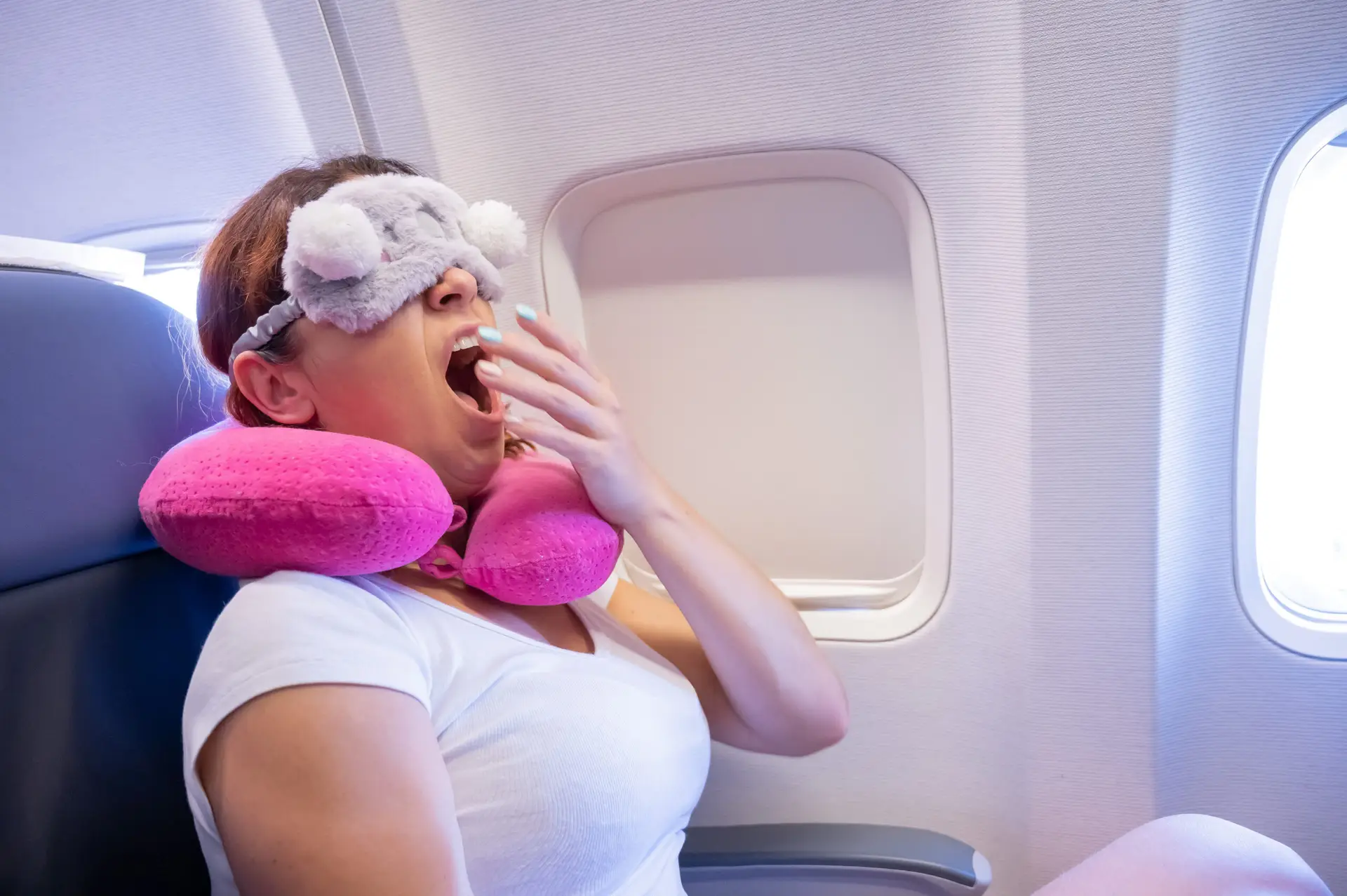
Getting Over Jet Lag On the Way There and When You Get Home
Jet lag can quietly take over an otherwise amazing trip or impact the start and end if it. You land somewhere beautiful, you’re exhausted. You come home, and suddenly you’re wide awake at 3am with nowhere to be and no beach or adventure to distract you.
The truth is, jet lag hits differently depending on direction, timing, and even your mindset. The good news is that there are ways to work with your body instead of against it.
This guide covers both sides of the experience, arriving at your destination and resetting when you get home, plus what frequent travelers swear by and what science actually says works.
What Jet Lag Actually Is (and Why It Feels So Off)
Jet lag happens when your internal clock, also known as your circadian rhythm, is out of sync with your new time zone.
Your body still thinks it’s bedtime when it’s morning, or lunchtime when it’s the middle of the night.
The biggest disruptors include crossing multiple time zones, usually three or more, traveling east, lack of sunlight exposure, and dehydration combined with poor sleep during travel.
How to Beat Jet Lag When You Arrive at Your Destination
This is where a few smart decisions can completely change your trip.
Get sunlight as soon as possible
This is the most powerful reset tool. Natural light tells your brain what time it is. Even 20 to 30 minutes outside can help shift your body clock faster.
Stay awake until local bedtime
A short nap of 20 to 30 minutes can help, but long naps will delay your adjustment. If you can push through until evening, your body will adapt much faster.
Hydrate more than you think you need
Air travel dehydrates you, and dehydration makes fatigue worse. Start with water before caffeine.
Eat on local time
Even if you’re not hungry, a light meal helps your body adjust to the new schedule.
Move your body, gently
A walk, light stretch, or casual activity helps signal daytime to your system.
What Frequent Travelers and Pros Swear By
These are the habits that come up again and again from people who travel constantly.
Shift your schedule before you leave
Start adjusting your sleep by about one hour a few days ahead if possible.
Choose flights strategically
Red-eye flights can help you land in the morning and start fresh.
Limit alcohol on flights
It disrupts sleep quality and worsens dehydration.
Use melatonin carefully
A small dose can help signal sleep time, but timing matters more than quantity.
Jet Lag Recovery When You Get Back Home (The Harder Part)
Coming home can feel tougher. There’s no excitement pushing you through, and your body is often more disrupted than you expect.
Reset to your home schedule immediately
Even if you’re tired, try to eat and sleep on local time right away.
Prioritize morning light exposure
This helps pull your body back into your home time zone quickly.
Avoid the accidental nap spiral
A long afternoon nap can turn into days of feeling off. If needed, keep it short and early.
Plan a low-key first day back
Give yourself space to recover. Light structure helps more than jumping straight into full speed.
Move your body, even if it’s just a walk
It helps reset energy levels and improves sleep later.
The Science-Backed Tricks That Actually Work
There’s a lot of advice out there, but these are consistently backed by research.
Light exposure is the most effective way to reset your circadian rhythm.
Consistent sleep and wake times matter more than total sleep hours at first.
Meal timing helps anchor your internal clock.
Hydration improves energy and reduces symptoms.
Your body wants to adjust, you just have to give it the right signals.
The Fun Jet Lag Hacks People Swear By
Some of these are more anecdotal, but surprisingly effective.
Cold water reset
Cold showers, splashing your face, or jumping in a pool or ocean can boost alertness instantly.
Face masks and skincare rituals
A quick reset routine can make you feel human again, even if you’re tired.
Caffeine strategically, not constantly
Use it in the morning and avoid it later in the day.
Fresh air and movement
One of the simplest and most effective mood resets.
Jet Lag Recovery Packing Checklist (Add This to Your Carry-On)
This is where you can give yourself a real advantage.
In-flight and arrival essentials
Refillable water bottle
Electrolyte packets
Eye mask and neck pillow
Compression socks
Feel like a human again kit
Hydrating face mask
Under-eye patches
Facial mist
Lip balm
Moisturizer
Sleep support
Melatonin if you use it
Lavender spray or calming scent
Comfortable sleepwear
Energy reset
Protein snacks
Tea or coffee packets
Light workout outfit for a walk or stretch
Jet lag isn’t a failure, it’s a biological response. Some trips hit harder than others. Some recoveries take a day, others take a few. The goal isn’t perfection, it’s feeling just good enough to enjoy where you are or ease back into your routine.
Jet Lag FAQs
How long does jet lag last?
Jet lag typically lasts one day per time zone crossed. For example, if you cross six time zones, it may take about six days to fully adjust. That said, most people start to feel better within a couple of days if they use sunlight, hydration, and sleep timing to reset.
Is jet lag worse when traveling east or west?
Jet lag is usually worse when traveling east because you are losing time and your body has to fall asleep earlier than it is used to. Traveling west tends to be easier since you are gaining time and staying awake longer feels more natural.
What is the fastest way to get over jet lag?
The fastest way to recover is to align yourself with the local schedule immediately. Get sunlight during the day, avoid long naps, eat meals at local times, and go to bed at a normal hour in your new time zone.
Should you nap when you have jet lag?
Short naps can help, but they should be limited to 20 to 30 minutes and taken earlier in the day. Long or late naps can make jet lag worse and delay your adjustment.
Does melatonin help with jet lag?
Melatonin can help signal to your body that it is time to sleep, especially when traveling across multiple time zones. It works best when taken at the right time in your new schedule, not just when you feel tired.
Why is jet lag sometimes worse when you get home?
Jet lag can feel worse when you return home because there is less adrenaline and excitement keeping you going. You are also often more physically run down from travel, which can make it harder for your body to reset quickly.
Can dehydration make jet lag worse?
Yes, dehydration is a major factor in how you feel. Air travel can be very dehydrating, and low hydration levels can increase fatigue, headaches, and brain fog.